Before the Singer, There Was the Piano
Long before Elena Nuzman became known for her powerful voice, international performances and ability to move between classical and contemporary music, there was a child sitting at a piano and listening.
At two years old, Nuzman was already reproducing melodies by ear.
It is an extraordinary detail, but perhaps the most revealing part is what it suggests. Before formal training, before concert stages, before competitions and recording studios, there was instinct. She did not need years of instruction to understand that a melody could be remembered, reproduced and transformed through an instrument.
The piano came first.
Everything else followed.
Born in Moldova into a family of professional musicians, Nuzman grew up in an environment where music was part of everyday life. Instruments were familiar, musicians were close, and performance was not a distant idea reserved for professionals seen from the audience. It was part of her surroundings.
That early environment gave her something that cannot easily be taught: familiarity with music as a way of living.
The Making of a Concert Pianist
By seven, Nuzman had entered a prestigious music Lyceum for gifted students. Childhood began to give way to discipline.
The natural ability that had allowed her to reproduce melodies was now placed inside a structured classical education. Technique had to be developed. Repertoire had to be learned. Musical interpretation had to be refined.
The transition from instinct to mastery is one of the most difficult stages in the life of any young musician.
Talent can open a door.
Discipline determines what happens after it opens.
Nuzman spent years developing the technical foundation that would eventually define her as a concert pianist. The piano became both teacher and companion, demanding precision while rewarding patience.
Her education eventually became international. Her musical journey took her through Russia, France, the United States, Israel and Canada before she continued her studies in Germany.
At the Robert Schumann University of Music in Düsseldorf, she completed a master’s degree in concert piano.
By this stage, the instrument she had encountered as a child had become the center of a professional artistic identity.
But the story did not end there.
When the Piano Became a Doorway
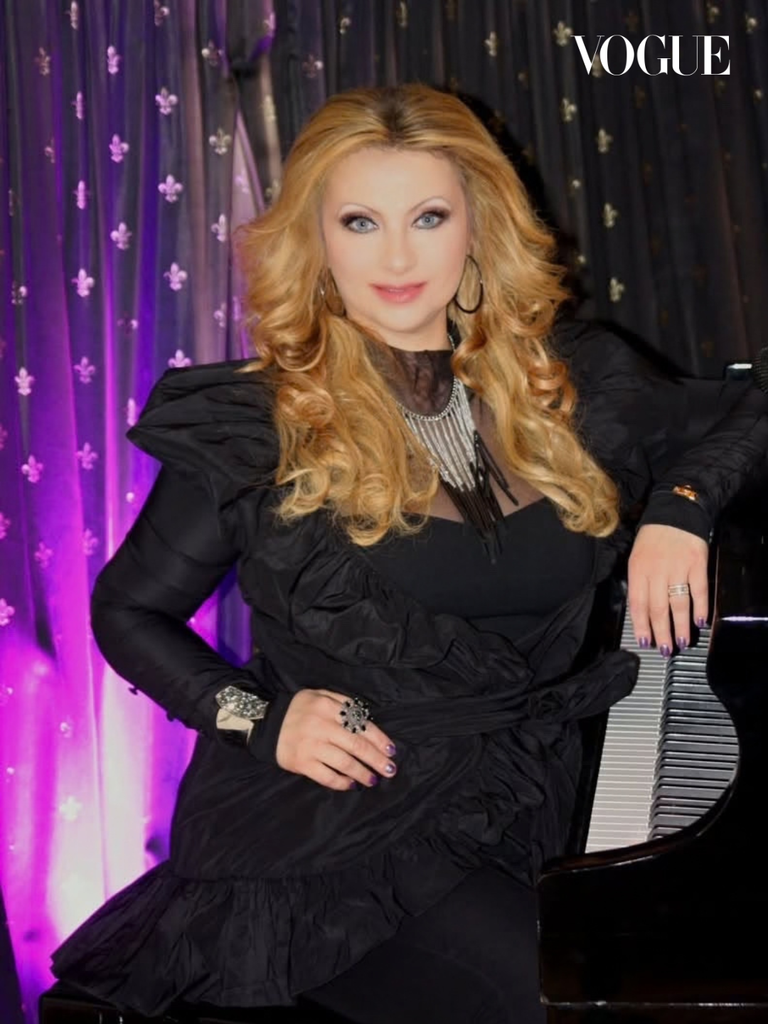
There is a tendency to think of instrumentalists and vocalists as occupying separate worlds. Nuzman’s career challenges that distinction.
Her discovery of singing introduced another dimension to her musical expression. After entering a vocal competition, she won first prize in the Rock-Pop category.
Suddenly, the musician who had spent years communicating through keys was communicating directly through her voice.
The transition might have seemed surprising from the outside. For Nuzman, however, it was a continuation of something she had already been doing.
The piano had taught her how to shape emotion.
Her voice gave that emotion another route.
Her four-octave vocal range added impressive technical possibilities, but the deeper significance was expressive. The piano had always allowed her to create contrasts between intimacy and power, softness and intensity. Singing offered the same possibilities in a more immediate form.
From the Concert Hall to the Rock Stage
Her debut album, I Believe In You, became an important step in that evolution.
The project allowed Nuzman to explore contemporary music while retaining the musical discipline of her classical background. It entered the German Newcomer Charts and remained in the Top 10 for several weeks.
Her interpretation of Whitesnake’s “Here I Go Again” became one of the memorable examples of her ability to embrace rock without abandoning her own musical identity.
Performances connected her with audiences on a much larger scale, including New Year’s Eve celebrations at Berlin’s Brandenburg Gate.
The contrast is striking.
A child who first discovered music through a piano eventually found herself performing before huge contemporary audiences.
Yet the instrument remained central.
The Piano Returns in a New Form
That relationship became particularly visible in Liebestraum.
The project explored the meeting point between Romantic-era classical music and contemporary songwriting. Instead of treating the classical repertoire as something fixed in history, Nuzman approached it as a source of emotion that could still inspire new musical forms.
The piano once again became a bridge.
Its role had changed, however.
It was no longer simply the instrument through which a classical student learned technique. It became a way to connect the past with the present.
The success of the Liebestraum title track, which surpassed four million YouTube views and received the IMPALA Silver Award, demonstrated how far that idea could travel.
Nuzman had found a way to make the piano speak in more than one musical language.
My Piano And I
In 2025, she released My Piano And I, a title that sounds almost deceptively simple.
But after considering her journey, those words carry considerable weight.
The piano was there before the albums.
Before the international performances.
Before the vocal competition.
Before the composer emerged.
Before audiences knew her name.
It was the instrument through which a very young Elena first demonstrated that music came naturally to her.
The album brings together celebrated songs, new compositions and English versions of some of her works. It reflects an artist who has spent decades developing her relationship with music but has never lost sight of the instrument at the center of it all.
The title therefore feels less like a description of an album and more like a statement about a lifelong partnership.
What the Instrument Taught Her
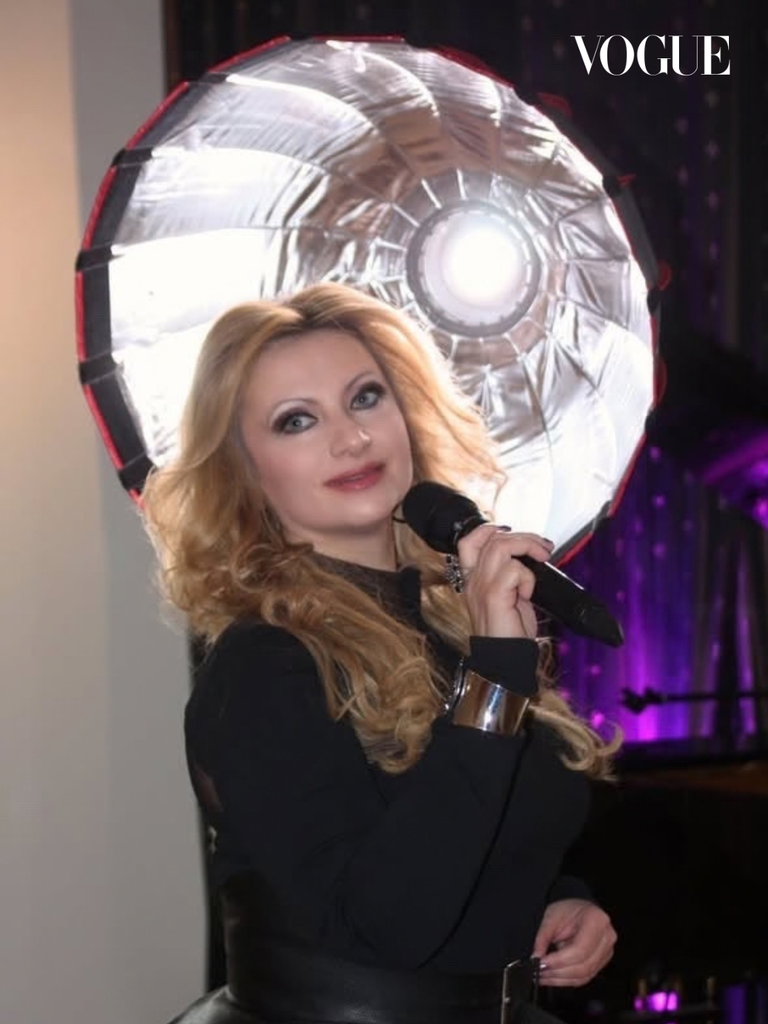
A piano can be technically unforgiving. Every note has a place. Every passage demands control. Every performance exposes preparation.
That discipline has clearly remained part of Nuzman’s identity even as her career expanded into singing and composition.
It is one reason her crossover work does not feel like an abandonment of classical training. The discipline is still there, even when the musical setting changes.
The piano taught her to listen.
It taught her patience.
It taught her that emotion needs structure if it is going to reach an audience.
Those lessons can travel into any genre.
More Than an Instrument
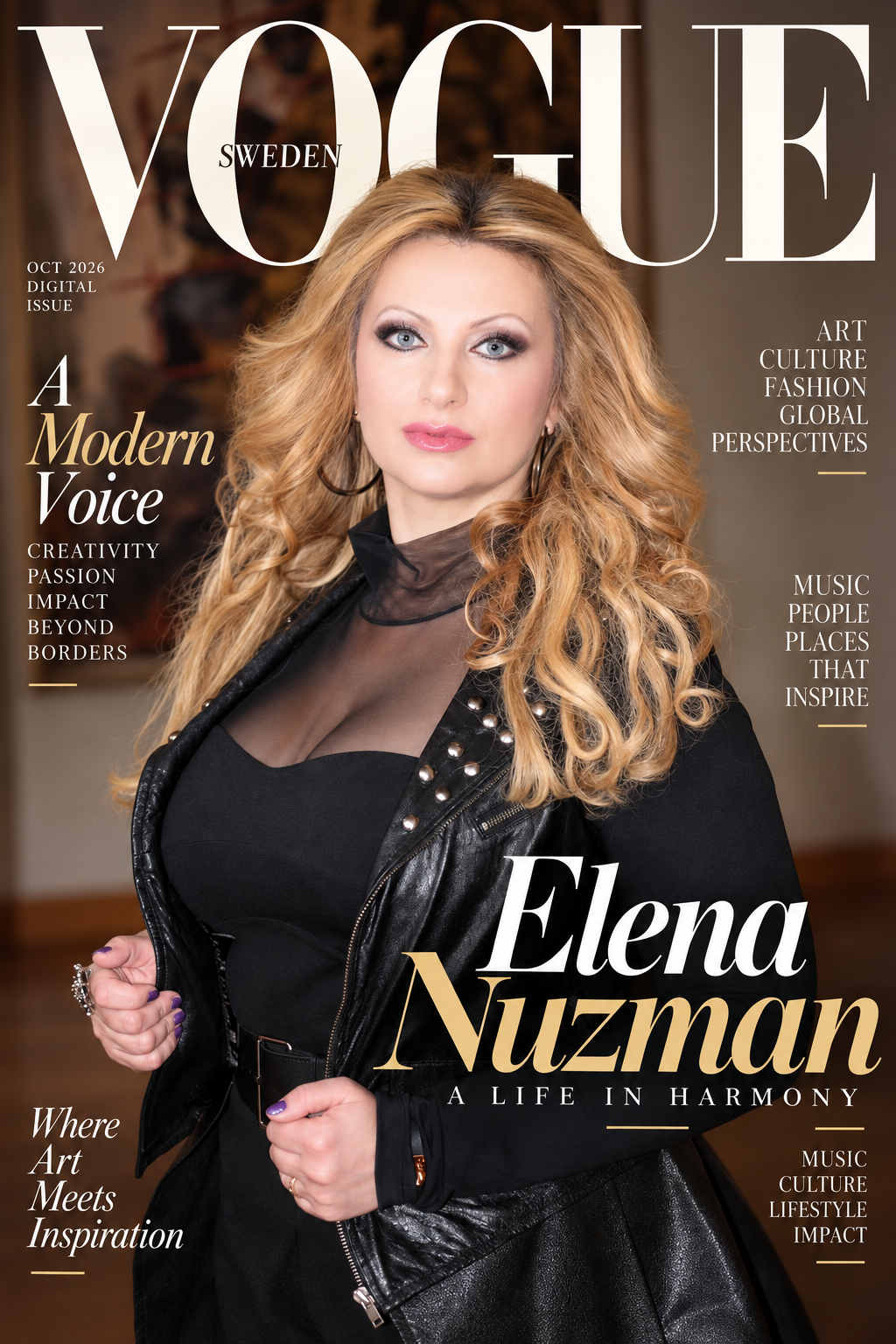
Today, it would be easy to describe Elena Nuzman through a list of accomplishments: concert pianist, vocalist, composer, international performer, four-octave singer.
But behind those titles is a much simpler story.
A girl discovered a piano.
The piano revealed a musician.
The musician eventually discovered her voice.
And the voice opened yet another world.
The journey from that first childhood relationship with music to My Piano And I is not simply a story of achievement. It is a story of continuity.
The artist has changed. The stages have changed. The countries, audiences and musical styles have changed.
The relationship with the piano has not.
For Elena Nuzman, the piano was there before the world knew what she could become.
And perhaps that is why, after everything she has explored, it still feels like home.
V